Introduction
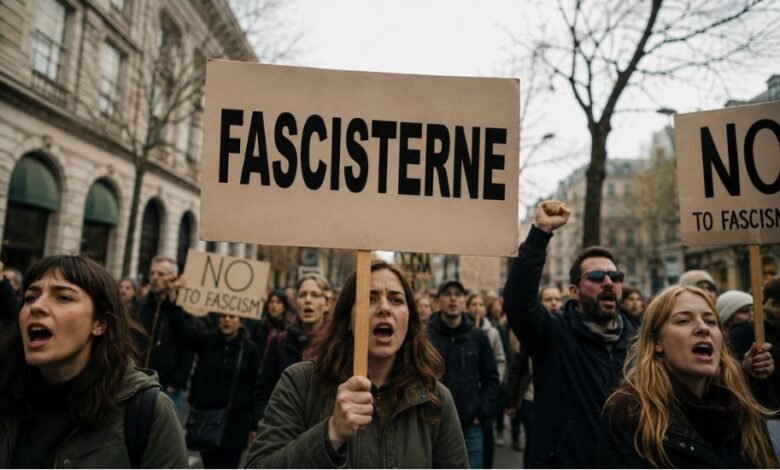
The term Fascisterne is the Danish word for “the fascists.” It is commonly used when discussing fascism, a political ideology that emerged in Europe during the early twentieth century. While the word itself is Danish, its significance extends far beyond Denmark because it relates to one of the most influential and controversial political movements in modern history. Understanding Fascisterne requires exploring the origins of fascism, its defining beliefs, its role during World War II, and its continuing relevance in political and historical discussions today.
Although fascism has largely disappeared as a governing system in democratic countries, historians, educators, and political analysts continue to study it to better understand how authoritarian governments rise and the lessons societies can learn from the past.
Quick Bio Table
| Topic | Details |
|---|---|
| Keyword | Fascisterne |
| English Meaning | The Fascists |
| Language | Danish |
| Category | History, Politics |
| Origin | Derived from the word “Fascist” |
| Historical Period | Primarily 1920s–1940s |
| Associated Countries | Italy, Germany, Denmark, and other European nations |
| Main Ideology | Fascism |
| Historical Importance | World War II and European political history |
| Modern Relevance | Historical research, political science, democracy studies |
What Does Fascisterne Mean?
The word Fascisterne translates directly into English as “the fascists.” It refers to individuals or groups who support or are associated with fascist ideology. While the term is commonly found in Danish historical texts, newspapers, documentaries, and educational materials, its meaning is universally connected to fascism and its historical impact.
In modern discussions, the word is most often used in historical contexts rather than to describe contemporary political movements. Scholars frequently use it when examining the rise of authoritarian governments in Europe before and during World War II.
The Origins of Fascism
Fascism first emerged in Italy after the end of World War I. The country experienced political instability, economic hardship, and widespread social unrest. During this period, Benito Mussolini founded the Fascist Party and promoted a political system centered on strong national identity, centralized authority, and strict government control.
The ideology quickly gained attention across Europe. Several countries witnessed similar movements inspired by Italian fascism, although each developed its own characteristics based on national circumstances.
The rise of fascism changed European politics dramatically and influenced international relations leading up to World War II.
Fascisterne in Denmark
When discussing Fascisterne in Denmark, historians usually refer to supporters of the Danish National Socialist Workers’ Party (DNSAP). This political movement attempted to introduce fascist and National Socialist ideas into Danish society during the 1930s and 1940s.
Despite its ambitions, the movement never achieved widespread popularity among the Danish population. Denmark remained largely committed to democratic values, and the fascist movement failed to gain enough public support to control the government.
Following World War II, fascist organizations in Denmark rapidly declined, and democratic institutions continued to shape the country’s political future.
Core Principles of Fascism
To understand Fascisterne, it is important to recognize the main characteristics of fascist ideology.
Strong Central Leadership
Fascist governments place significant authority in the hands of a single leader or ruling party. Political power becomes highly centralized, leaving little room for opposition or independent institutions.
Extreme Nationalism
National identity is considered the highest priority. Fascist movements often promote the idea that the nation is superior and deserves complete loyalty from its citizens.
Limited Political Freedom
Opposition parties, critics, independent media, and dissenting voices are often restricted under fascist governments. Political diversity is viewed as a threat to national unity.
Government Control
Fascist systems typically seek greater influence over education, media, culture, and public institutions. The government aims to shape public opinion and encourage loyalty to the state.
Militarism
Military strength is frequently celebrated as a symbol of national pride. Many fascist governments invested heavily in expanding their armed forces and preparing for conflict.
Propaganda
Propaganda played a major role in spreading fascist ideas. Newspapers, posters, speeches, films, and radio broadcasts were widely used to influence public opinion and strengthen support for the government.
Fascisterne and World War II
The term Fascisterne is closely connected to the events of World War II. Fascist governments played a central role in the political tensions that eventually led to the global conflict.
Italy, under Benito Mussolini, became one of the primary fascist powers. Germany, under Adolf Hitler’s Nazi regime, shared several ideological similarities with fascism while developing its own distinct political system.
The war resulted in enormous human suffering, economic destruction, and political transformation across Europe. After the defeat of the Axis powers in 1945, fascist governments collapsed, and democratic institutions gradually re-emerged throughout much of Europe.
The experiences of World War II remain one of the strongest reasons why historians continue studying Fascisterne and fascist ideology today.
Why Historians Continue Studying Fascisterne
Although fascism is largely considered part of history, it continues to receive attention in academic research for several important reasons.
Historians seek to understand how democratic societies can become vulnerable during periods of economic crisis or political instability. Political scientists analyze fascism to identify warning signs of authoritarian rule and threats to democratic institutions.
Educational systems include discussions of Fascisterne to teach students about human rights, responsible citizenship, and the importance of protecting democratic values.
The subject also helps explain many important events that shaped modern Europe, including the causes and consequences of World War II.
Fascisterne in Modern Political Discussions
Today, the word Fascisterne occasionally appears in political debates, media reports, and historical comparisons. However, experts often caution against using the label casually because fascism has a specific historical meaning.
Modern scholars generally encourage careful analysis before comparing current political movements to historical fascism. Understanding the original ideology helps maintain accuracy and prevents the misuse of historical terminology.
Most contemporary references to Fascisterne are educational rather than political, focusing on historical research and lessons learned from the past.
Lessons Society Can Learn
The history associated with Fascisterne offers several valuable lessons for modern societies.
One of the most important lessons is the value of democratic institutions that protect freedom of speech, independent courts, free elections, and political diversity.
Another lesson is the importance of critical thinking. Citizens should evaluate information carefully, question propaganda, and support open discussion.
Education also plays a crucial role in preserving historical memory. By studying the successes and failures of previous generations, societies can better prepare for future challenges.
Respect for human rights, peaceful political participation, and international cooperation remain essential principles that emerged from the experiences of the twentieth century.
Conclusion
Fascisterne is more than simply the Danish word for “the fascists.” It represents an important chapter in European history that continues to influence historical research, political science, and discussions about democracy. By understanding the origins of fascism, its core beliefs, its impact during World War II, and the reasons historians continue to study it, readers gain valuable insight into one of history’s most significant political movements.
At Insider Gists, we believe that learning about historical events like Fascisterne helps readers develop a deeper understanding of global history and the importance of protecting democratic values for future generations.
Frequently Asked Questions
1. What does Fascisterne mean?
Fascisterne is the Danish word for “the fascists” and refers to supporters or members of fascist movements.
2. Is Fascisterne a political party?
No. It is a general term rather than the name of a specific political party.
3. Why is Fascisterne important in history?
The term is closely connected to the rise of fascism in Europe and the events leading to World War II.
4. Was Denmark governed by Fascisterne?
No. Denmark had a small fascist movement, but it never gained control of the country’s government.
5. Why do people still study Fascisterne today?
Historians and political scientists study fascism to better understand authoritarian governments, democracy, and the lessons of twentieth-century history.