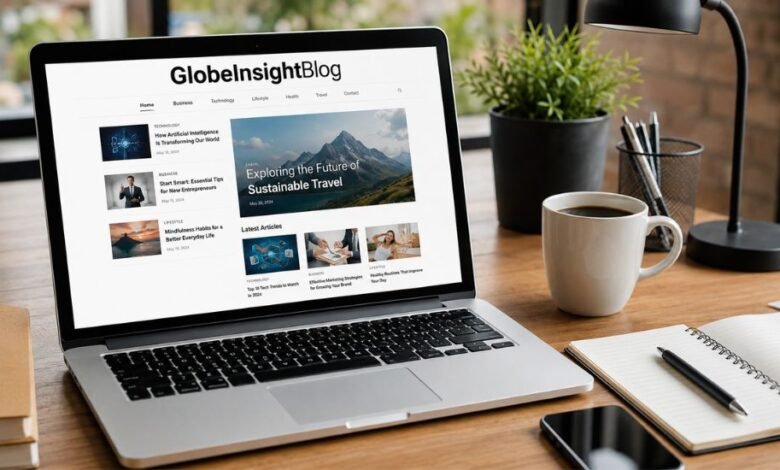
In today’s digital age, readers rely on blogs for everything from technology updates and business advice to travel inspiration and health tips. Among the many blogging platforms available online, GlobeInsightBlog has gained attention for offering content across a wide variety of subjects. Rather than focusing on a single niche, it provides readers with articles designed to inform, educate, and simplify complex topics.
Whether someone is interested in learning about emerging technologies, business trends, digital marketing, lifestyle improvements, or travel ideas, GlobeInsightBlog aims to bring all of these subjects together in one place. Its straightforward writing style and reader-friendly structure make it appealing to both beginners and experienced internet users.
Although several websites use the GlobeInsightBlog name, the concept behind the platform remains consistent: publishing informative, SEO-friendly, and accessible articles that help readers stay updated on current trends and practical knowledge. This article explores what GlobeInsightBlog is, the type of content it publishes, its strengths, and why it continues to attract readers.
Quick Bio
| Information | Details |
|---|---|
| Name | GlobeInsightBlog |
| Type | Multi-Niche Blogging Platform |
| Primary Focus | Informational and Educational Content |
| Main Categories | Business, Technology, Lifestyle, Health, Travel, Finance, Marketing |
| Target Audience | General Readers, Students, Professionals, Bloggers |
| Writing Style | Simple, Informative, SEO-Friendly |
| Content Format | Articles, Guides, Tutorials, Trend Analysis |
| Purpose | Share Knowledge Across Multiple Industries |
| Accessibility | Beginner-Friendly |
| Popular Topics | AI, Business, Digital Marketing, Health, Travel, Home Improvement |
What Is GlobeInsightBlog?
GlobeInsightBlog is best described as a general-interest blogging platform that covers a broad range of topics instead of specializing in just one industry. The platform publishes articles intended to educate readers, answer common questions, and provide useful insights into everyday subjects.
Unlike niche websites that focus exclusively on technology or finance, GlobeInsightBlog combines multiple categories under one platform. This diversity allows visitors to explore different topics without switching between several websites.
The platform’s articles are usually written in simple English, making them easy to understand for readers with varying levels of expertise.
The Purpose Behind GlobeInsightBlog
The primary objective of GlobeInsightBlog is to make valuable information accessible to a broad audience. The internet contains an overwhelming amount of content, much of which is either too technical or difficult for beginners to understand.
GlobeInsightBlog addresses this challenge by presenting information in a structured, reader-friendly format. Articles often explain complicated concepts in straightforward language while providing practical examples that readers can apply in real life.
Its goal is not only to inform but also to help readers make better decisions by understanding current trends, technologies, and industry developments.
Topics Covered by GlobeInsightBlog
One of the platform’s greatest strengths is the diversity of subjects it covers. Readers can find articles spanning numerous industries and interests.
Business
Business articles often discuss entrepreneurship, startup strategies, leadership, financial management, productivity, workplace trends, and business growth techniques.
Technology
Technology is one of the platform’s most active categories. Topics may include artificial intelligence, software, cybersecurity, cloud computing, smart devices, digital innovation, and emerging technologies.
Digital Marketing
Digital marketing articles help readers understand SEO, content marketing, social media strategies, email campaigns, branding, online advertising, and website optimization.
Health and Wellness
Health-related articles focus on healthy living, nutrition, fitness, mental wellness, self-care practices, and maintaining a balanced lifestyle.
Travel
Travel content introduces destinations, travel planning tips, accommodation advice, budgeting suggestions, and cultural experiences from around the world.
Lifestyle
Lifestyle articles often explore home improvement, productivity, personal development, fashion, relationships, and daily living tips.
Writing Style and Content Quality
A major reason many readers appreciate GlobeInsightBlog is its accessible writing style.
Instead of using technical terminology throughout an article, writers generally explain concepts step by step. Short paragraphs, descriptive headings, and organized formatting improve readability while making the information easier to absorb.
This style benefits students, professionals, and casual readers alike, as they can quickly understand the subject without extensive prior knowledge.
Additionally, articles are often structured around answering specific questions that users commonly search for online.
SEO-Friendly Content Strategy
Search engine optimization plays an important role in modern blogging, and GlobeInsightBlog appears to embrace SEO best practices.
Many articles include descriptive titles, relevant keywords, informative introductions, logical heading structures, and content that aligns with user search intent.
However, quality content remains central to the platform’s approach. Rather than simply inserting keywords, articles generally focus on solving readers’ problems and providing useful information.
This balance between SEO and user experience helps increase visibility while maintaining reader satisfaction.
Why Readers Visit GlobeInsightBlog
There are several reasons why readers continue exploring GlobeInsightBlog.
First, the platform covers numerous subjects in one location, saving visitors time searching multiple websites.
Second, articles are written for everyday readers rather than industry experts, making information easier to understand.
Third, the content focuses on practical applications instead of purely theoretical discussions.
Finally, frequent publication of fresh topics helps keep readers informed about changing trends in technology, business, and lifestyle.
Advantages of GlobeInsightBlog
GlobeInsightBlog offers several strengths that contribute to its growing popularity.
It provides diverse content covering multiple industries.
Its articles are easy to read and understand.
The platform presents information using organized headings and logical flow.
Content is suitable for both beginners and experienced readers.
Many articles address current trends and practical issues affecting everyday life.
The platform encourages continuous learning through informative guides and educational resources.
Limitations to Consider
Despite its strengths, readers should also recognize certain limitations.
Because GlobeInsightBlog is a multi-topic platform, it may not always provide the same level of specialized expertise as niche websites dedicated entirely to one industry.
Additionally, the GlobeInsightBlog name appears on multiple domains, which may create confusion about which version readers are visiting. It is always advisable to evaluate the credibility, publication quality, and accuracy of any information before relying on it for important decisions.
Is GlobeInsightBlog Worth Following?
For readers seeking general knowledge across multiple categories, GlobeInsightBlog can serve as a useful resource. Its beginner-friendly writing style, broad content selection, and practical approach make it suitable for students, entrepreneurs, professionals, and everyday readers alike.
Whether someone wants to understand new technology, improve business skills, discover travel ideas, or learn digital marketing concepts, the platform offers a convenient starting point. While readers should always verify important information from authoritative sources, GlobeInsightBlog succeeds in making complex topics more approachable and engaging.
As online information continues to grow rapidly, platforms like GlobeInsightBlog demonstrate the value of presenting educational content in a clear, organized, and reader-focused manner.
If you enjoy reading well-researched articles on trending topics like GlobeInsightBlog, be sure to visit Insider Gists. Our blog is dedicated to delivering informative, engaging, and easy-to-understand content covering business, technology, lifestyle, health, education, and many other subjects. At Insider Gists, our goal is to help readers stay informed with reliable insights and practical knowledge that add real value to everyday life.
Frequently Asked Questions
What is GlobeInsightBlog?
GlobeInsightBlog is a multi-niche blogging platform that publishes informational articles covering business, technology, lifestyle, health, travel, marketing, and other trending topics.
Who is the target audience of GlobeInsightBlog?
The platform is designed for students, professionals, entrepreneurs, bloggers, and general readers seeking easy-to-understand information.
What type of content does GlobeInsightBlog publish?
It publishes educational articles, how-to guides, business insights, technology updates, travel content, health information, and lifestyle tips.
Is GlobeInsightBlog suitable for beginners?
Yes. Most articles use simple language and organized formatting, making them easy for beginners to understand.
Why is GlobeInsightBlog popular?
Its popularity comes from covering multiple subjects, using beginner-friendly writing, and presenting practical information in a structured format.